How to Talk to Your Kids About Cyberbullying
Home Phone
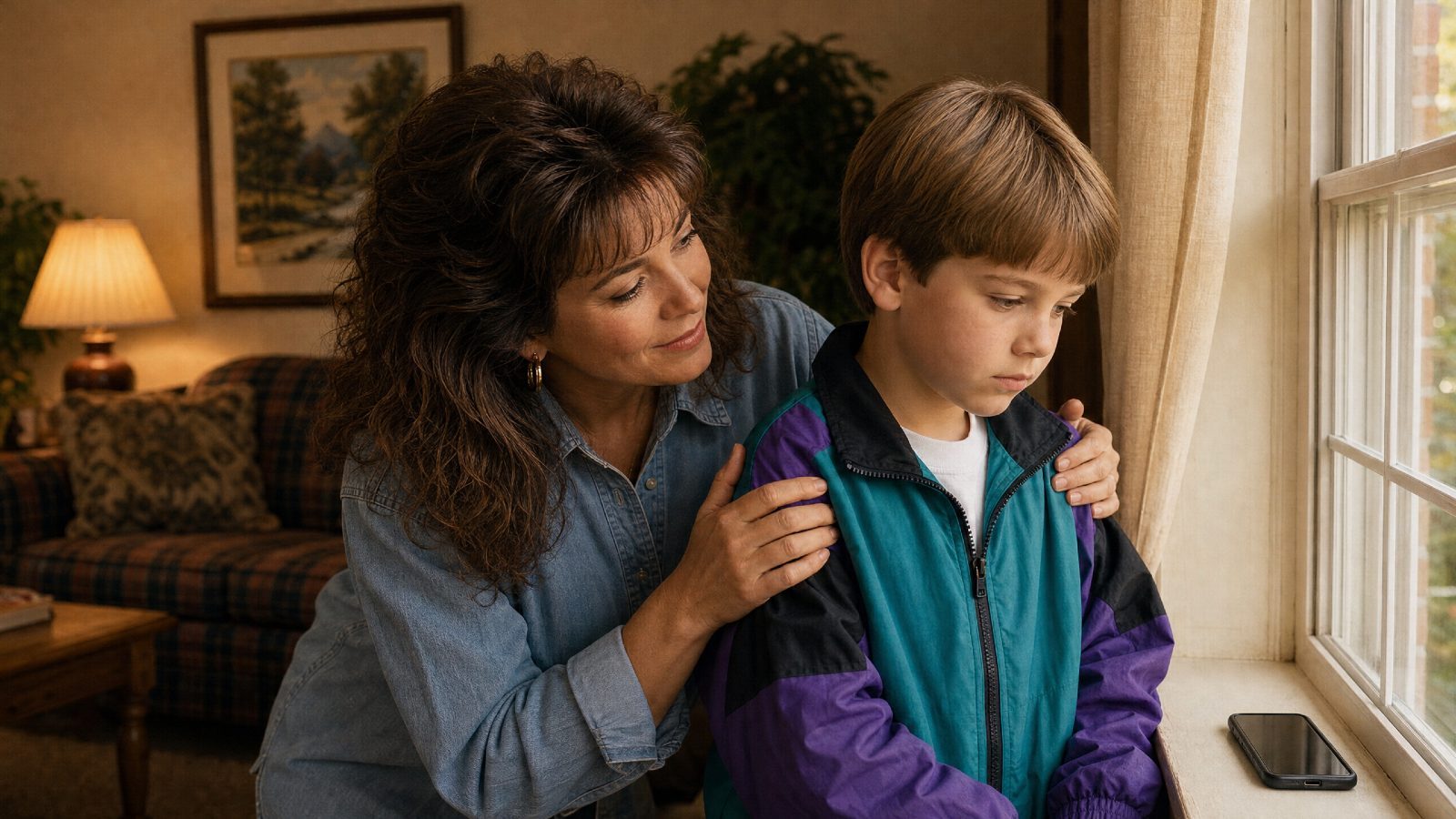
Give your child a way to talk before something goes wrong
Cyberbullying can reach a child through a group chat, a game or a post shared beyond its original audience. The upsetting part may be the words themselves, the number of people watching or the fear of what will happen at school tomorrow. Start by asking about those experiences instead of beginning with a lecture about being kind.
Try: "What happens in your group when someone gets picked on?" Your child may find it easier to discuss a general situation before describing something personal. Listen without immediately demanding names. You want them to know that you can hear difficult information without turning every conversation into an investigation.
Tell them that asking for help is welcome whether they were targeted, watched something happen or joined in. Each situation needs a different response, but silence makes all three harder to address.
Explain cyberbullying without making every disagreement the same
Children can disagree or say something unkind without a situation necessarily fitting a formal bullying definition. That does not make the hurt unimportant. Ask about repetition, power and the child's ability to leave the situation. A single humiliating post may also keep causing harm as others share it.
Use examples your child understands: repeatedly excluding someone while mocking them in a chat, creating an account to impersonate a classmate or sharing an embarrassing photo to invite ridicule. Discuss behavior rather than labeling another child as permanently bad.
StopBullying.gov's parent guide describes digital bullying and signs that a child may be affected. Changes in device use or mood can be clues, but they do not establish the cause. Ask gently and leave room for other explanations.
What to say when your child tells you
Begin with: "I'm glad you told me. You should not have to handle this alone." Then ask what happened and what they are most worried about. They may fear retaliation or losing access to the only place they still talk with supportive friends.
Do not promise that you will tell nobody. Instead say: "I will explain what I think we need to do. If someone is unsafe, I may need another adult's help." This keeps your promise realistic while giving your child a voice in the process.
Avoid asking them to show the content over and over. Review what is necessary and then put the device aside. A child can feel supported without having to repeatedly relive the most humiliating part of the experience.
Build a practical response in five steps
- Check immediate safety. Ask whether there are threats or fears about an upcoming encounter.
- Stop the exchange. Help your child avoid responding in anger or forwarding the content.
- Record relevant information. Keep dates and account details along with ordinary non-explicit messages.
- Report and limit contact. Use the service's reporting process and appropriate blocking controls.
- Arrange follow-up. Decide which adult will check back and when.
These core steps reflect StopBullying.gov's reporting guidance. Keep records private. If sexual images of a minor are involved, do not screenshot, download or forward those images as evidence. Record account details and seek guidance from NCMEC or law enforcement.
Work with the school using a factual summary
If classmates are involved or the situation is affecting school life, use the school's reporting procedure. A brief timeline is more useful than a long exchange of accusations. Include what happened, when it happened and how it is affecting your child.
Ask for specific support: "Who can my child go to tomorrow?" "How will you reduce the chance of retaliation?" "When should we expect an update?" Keep a record of whom you contacted. If the first route does not produce a response, follow the school's escalation process.
Do not assume an incident is outside the school's concern simply because it began after hours. Explain its connection to school and ask what the policy covers. Applicable rules vary, so avoid promising your child a particular disciplinary outcome.
Refrain from posting screenshots in a parent group or confronting another child directly. Public arguments can widen the audience and leave your child feeling less in control. Keep the response focused on stopping the behavior and supporting the affected children.
Help a bystander take a safe next step
Children often know something is wrong but fear becoming the next target. Give them options that do not require a public confrontation. They can avoid reacting to the cruel post, tell a trusted adult or send the targeted child a kind private message.
A useful script is: "I saw what happened. Are you okay? I can go with you to talk to someone." If they report content, they should not circulate it to prove they are helping. The aim is support rather than creating another audience.
Discuss the difference between keeping a friend's confidence and keeping a dangerous situation secret. A child should get adult help when someone is being threatened or appears unsafe, even if a friend asks them not to tell.
If your child caused harm
Stay calm enough to understand the behavior without minimizing it. Ask what they posted or shared and who could see it. "It was a joke" can explain intent but does not settle the impact. Make clear which behavior must stop.
Coordinate removal of harmful content after relevant reporting needs are addressed. Help your child identify a concrete repair step, such as correcting a false statement or ceasing contact. An apology should not require the targeted child to respond, forgive or meet face to face.
Use consequences connected to the behavior and explain how access will be reviewed. A child who misused a group chat may need supervised use and practice handling conflict. Also ask about pressures or difficulties contributing to the behavior. Accountability and support can happen together.
Keep checking after the content disappears
Deleting a post does not automatically restore a child's confidence. Ask about the next school day and the next group activity. Help them reconnect with people who treat them well. An ordinary shared activity may feel more supportive than another long discussion.
If distress persists or affects daily functioning, contact a pediatrician or qualified mental health professional. If there is immediate danger, seek emergency help. For suspected sexual exploitation, use NCMEC's CyberTipline. Do not wait for a platform decision when a child needs urgent support.
A family conversation checklist
- Name two adults your child could approach.
- Practice one supportive sentence for a targeted friend.
- Find the report control in a service your child uses.
- Agree not to share humiliating content, even to criticize it.
- Explain how you will involve your child in the response.
Frequently asked questions
Should I take the device away?
A temporary pause may help in a specific situation, but automatic removal can also cut off supportive relationships. Discuss which activity is unsafe and preserve appropriate ways to connect. Do not make disclosure itself the reason for punishment.
What if my child does not want the school involved?
Ask what they fear and discuss those concerns with them. You may still need to seek help, especially when safety is involved. Explain whom you will contact and what you will ask for rather than acting without warning.
What if the harmful account is anonymous?
Report the behavior and available account details. Your child does not need to identify the person before seeking support. Avoid amateur investigations that encourage more contact or spread unverified accusations.
If you want calling without opening a full social smartphone, a shared household number with parental controls is one option families use. Home Phone keeps kids reachable for family while you control contacts and quiet hours.