How to Give Your Kid a Phone Number They Can Use to Call You (Without a SIM Card)
Home Phone
The problem with getting your kid a "first phone"
Most parents hit the same wall. Your kid needs a way to reach you, maybe from school, from a friend's house or just from the next room when you're not around. But a full cell phone plan feels like a lot for a seven or eight year old and a SIM card means a real phone number tied to them for years to come.
There's a middle option a lot of parents don't know about yet: a shared family phone number that works without a SIM card at all.
How a shared family number works
Instead of giving your kid their own cell number, a shared family number lets every device in your household use the same number over Wi-Fi or cellular data. No SIM card, no individual phone plan and no number tied to your kid specifically.
Here's what that actually looks like day to day:
- Your kid can call you directly from a tablet or hand-me-down phone, the same way they'd call anyone else.
- When someone outside the family calls your household's shared number, it can ring every device you've added, so whoever's available can pick up.
- Parents control who the child can call and who can call them.
What you need
Setting this up usually takes three things:
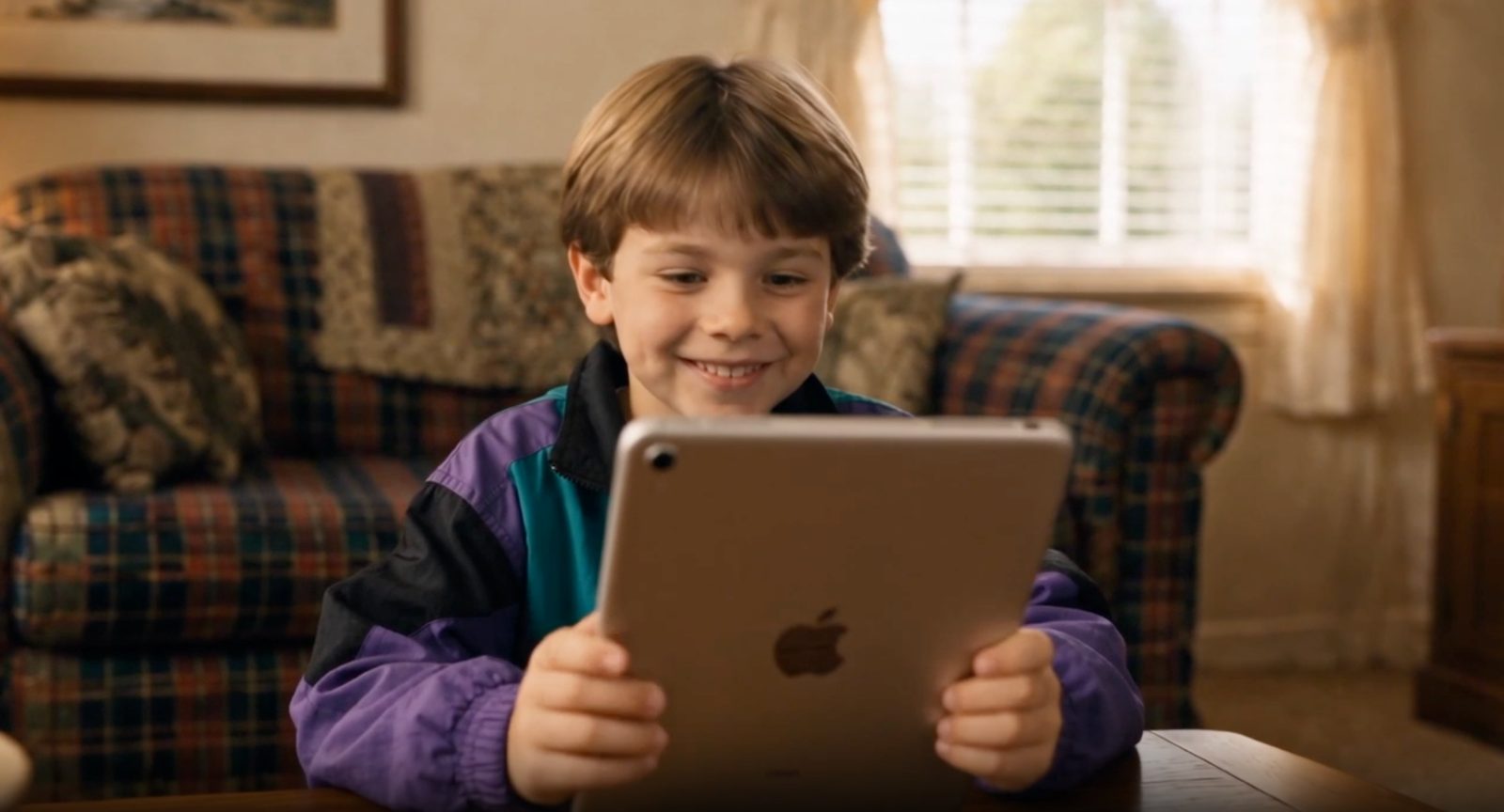
- A device for your kid to use. This can be an old phone, a tablet or an iPad you already own. It doesn't need an active cell plan.
- An internet connection. Calls use Wi-Fi or cellular data, not a traditional phone line.
- An app that provisions the shared number and lets you manage permissions from your own phone.
What to look for
Not every option in this space works the same way. Before you pick one, it's worth checking for:
- Parental controls. You should be able to limit who your kid can call and when.
- No new hardware required. Some options require buying a dedicated device. Others work on whatever you already own.
- Clear pricing. Look for a flat monthly cost per household rather than per device or per child.
- Honest limitations. Any option that relies on internet access should be upfront that it needs Wi-Fi or data to work and isn't a replacement for a phone in a true emergency.
Why more families are doing this
A generation ago, most households had one phone number everyone shared. Kids grew up learning to answer the house phone and call relatives without needing a number of their own. A shared family number brings that back, just on the devices families already carry instead of a phone on the kitchen wall.
It's a smaller step than a first smartphone and it solves the actual problem most parents are trying to solve: a reliable way for their kid to reach them.