Home Alone After School: How Kids Can Stay in Touch With You
Home Phone
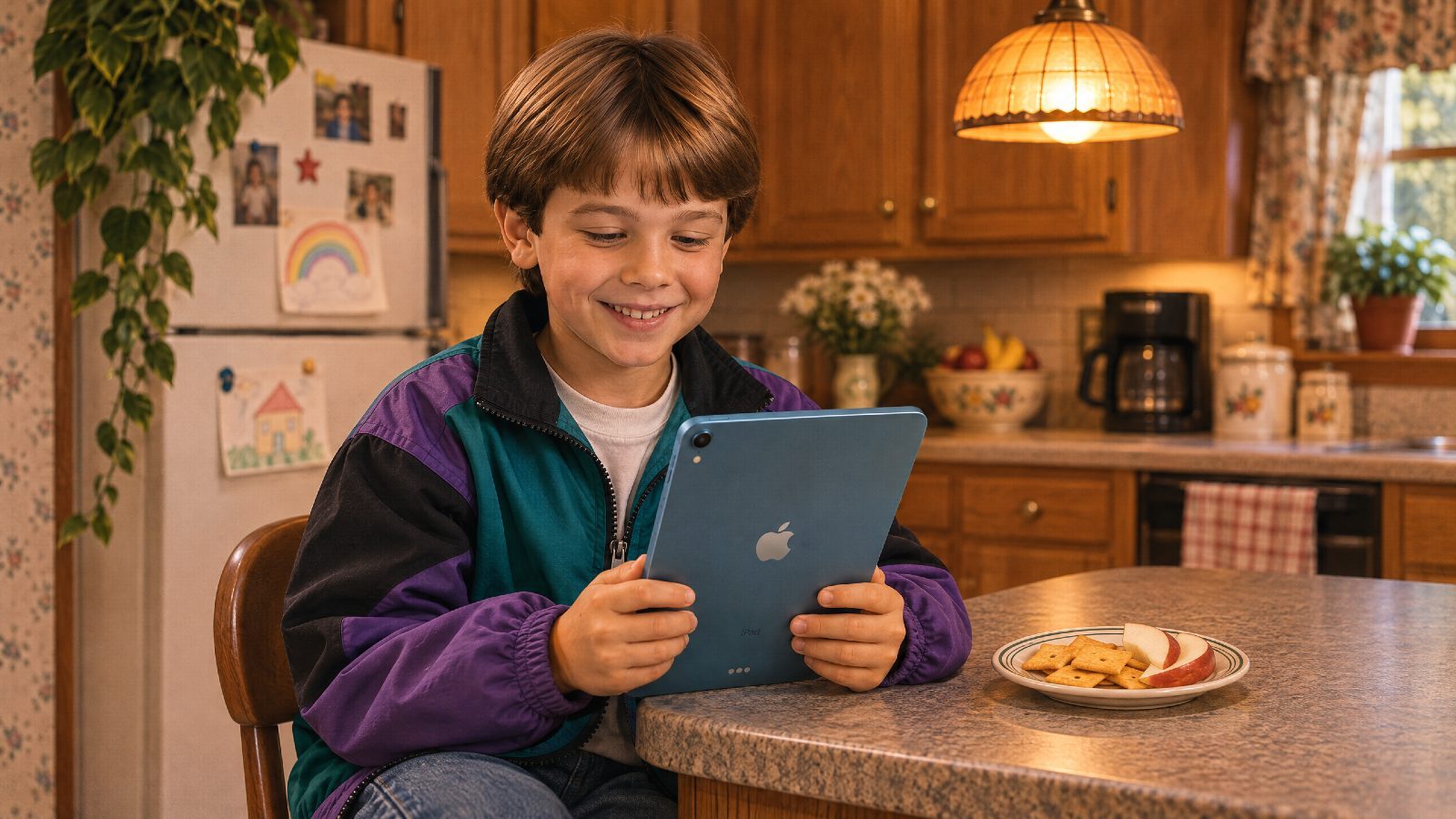
The difficult part is what happens after nobody answers
At 3:20, your child calls to say they are home. You are presenting in a meeting. Their other parent is driving. The call goes unanswered, so your child leaves a message and starts making a snack. At 3:35, both adults notice a missed call. Neither knows whether the other has spoken to them.
Everyone followed the instruction to "call when you get home." The missing piece was deciding what counts as a completed check-in and who takes responsibility when it does not happen.
A useful after-school calling plan answers those questions before the first missed call. It also helps children distinguish a problem that can wait from one that needs an adult now. Here is how to build that plan around the situations families actually have to resolve.
This guide assumes you have already decided that time home alone is appropriate and checked local requirements. If you are still making that decision, the American Academy of Pediatrics' readiness guide discusses maturity and the circumstances to consider.
Decide what a completed check-in means
Choose between two arrangements: your child must speak to an adult, or a routine voicemail is acceptable if an adult reviews it within an agreed window. Neither arrangement should leave the child guessing whether to keep calling.
For a family starting out, a live conversation may be easier to manage. The child calls the first adult, then the agreed backup if there is no answer. Once an adult responds, the child knows the check-in is complete.
If you accept voicemail, assign someone to listen and acknowledge it through your agreed method. A missed-call notification alone does not tell you that your child arrived safely. They might have been calling because they could not get inside.
Give routine messages a useful structure: "I'm inside, everything is okay and I don't need a callback." A problem message should sound different: "I'm outside because my key isn't working. I'm going to our agreed backup place." Voicemail is for information that can safely wait, not a substitute for urgent help.
Give one adult responsibility for the arrival window
A shared contact list does not tell you who is checking it. Decide who is responsible for confirming arrival that afternoon. The other adult can still answer, but one person owns the follow-up until there is an explicit handoff.
For example, one parent covers Mondays and Wednesdays because their work schedule allows it. On Tuesday, they ask the other parent to take over and wait for a reply. Sending "Can you handle today?" without receiving an answer does not complete the handoff.
Agree on a simple confirmation between adults, such as "Spoke to Maya. She's inside." Use your normal communication channel. This keeps a second parent from seeing a missed call and starting a separate search for an answer that someone already has.
Write the missed-check-in plan from the adult's side
Parents often give children instructions for an unanswered call without deciding what they themselves will do when the child is silent. Work backward from your child's normal arrival window and choose a specific point for follow-up.
Here is an illustrative sequence, not a universal waiting period:
- Arrival is expected between 3:15 and 3:25. The assigned adult expects the agreed check-in during that window.
- The window passes without confirmation. That adult calls the child and checks whether a school activity or known transport delay explains the change.
- Contact still cannot be established. The adult activates the agreed local backup rather than repeatedly calling without another action.
Set the timing around your route and circumstances. Any indication of immediate danger calls for urgent action, not waiting for a routine deadline. If a local adult is part of the plan, agree beforehand what they can actually do and how to reach them.
Separate "I need permission" from "I need help"
"Call if anything happens" gives children very little guidance. Try sorting realistic situations into three groups together. Let your child explain their choice so you can hear where the uncertainty is.
A decision that can wait
A friend wants to come over or your child wants to use an appliance you have not approved. The default is to wait for permission. No answer does not mean yes. That rule prevents a child from treating an unanswered call as permission to improvise.
A problem that needs an adult
Your child cannot get inside or feels frightened by something unexpected. They move to the next agreed contact if the first adult does not answer. Tell them explicitly that interrupting a workday is allowed. "I know you're busy" should not become a reason to conceal a problem.
An emergency that should not wait for a parent
A life-threatening emergency needs emergency help. The AAP advises teaching children to call 911 before contacting a parent in that situation. Rehearse your household's emergency response, including when getting to safety comes first. Your child should not work through a list of relatives while urgent help is needed.
Choose backups for different jobs
The best person to answer a question may not be the best person to help with a locked door. A grandparent across the country can offer reassurance. A trusted neighbor who has agreed to help may be able to meet the child nearby.
Keep the child's instructions short by assigning each person a purpose. For example: "If I don't answer, call Dad. If you cannot get inside, go to the agreed neighbor's home and call from there." Only use that arrangement after confirming the neighbor's availability and deciding what happens if they are out.
Ask the backup adult direct questions: Can they usually answer during this window? Are they comfortable helping in person? How will they tell you when they are unavailable? An agreement is more useful than a name on a list.
Test the failure, not just the successful call
For a supervised rehearsal, deliberately let the first routine call go unanswered. Tell your child this is practice, then watch what they do without prompting. Can they find the backup contact? Do they keep redialing because they think they are not allowed to call anyone else?
Also test an ordinary incoming call with the child's device locked and sitting where it will normally be. Check whether it can be heard from the rooms they use. A successful call while the app is open in someone's hand does not test the afternoon setup.
If two calling devices both depend on the same home internet connection, they do not provide independent protection against an internet outage. Decide what the child should do when the connection fails. That might mean another available calling method or a prearranged nearby adult. It should not require the child to troubleshoot the router.
Where Home Phone fits into the afternoon
Home Phone gives your household a shared number that rings devices and lets children make calls with parental controls. A parent can call the household number to reach home, while a child can use their permitted calling setup to contact an adult.
It also includes voicemail, quiet hours and emergency calling. Configure quiet hours around your family's needs and confirm that ordinary calls work during the after-school window. Complete the required emergency-calling setup and understand its requirements on the device your child uses.
Home Phone does not support SMS messaging, so make the arrival routine a call or an agreed voicemail. Do not write "text me when you arrive" into a plan built around the household number.
Rehearse the first sentence of an emergency call
A child who knows to call 911 may still freeze when asked where they are. Practice saying the home address, including any apartment number, followed by a short description of the problem. Keep the address available in writing too.
The National 911 Program explains what call-takers may ask, including location and the nature of the emergency. Teach your child to answer questions and follow instructions. Use pretend calls for rehearsal, not an unarranged call to emergency services.
Frequently asked questions
What if my child keeps forgetting to check in?
Find the point where the routine breaks. If they head straight for a snack, put the reminder at that first stop. Keep the adult follow-up in place while the habit develops. If arrival cannot be confirmed reliably, reconsider the arrangement rather than simply repeating the instruction more firmly.
Does a location notification replace a call?
It answers a different question. A device appearing at home does not establish that the child got inside or has no problem to report. Decide which information you need before substituting a device notification for a conversation.
What should we review after the first week?
Ask about actual moments of hesitation: "Was there a time you wanted help but weren't sure whether to call?" Check whether the assigned adult was available and whether the backup worked. Revise the step that caused difficulty rather than adding more check-ins automatically.